At INOF, we treat neurological conditions that can affect vision and the visual pathway. Our…

Eye tests: why you should have your eyes checked even if you ‘can see fine’
“My eyesight is fine, I don’t need to see an ophthalmologist.” This is one of the phrases we hear most often in the clinic, and also one of the ideas that most needs to be clarified. Seeing well and having healthy eyes are not exactly the same thing: many of the most serious eye conditions do not produce symptoms in their early stages. By the time symptoms appear, some vision may already have been lost irreversibly.
What an eye examination detects
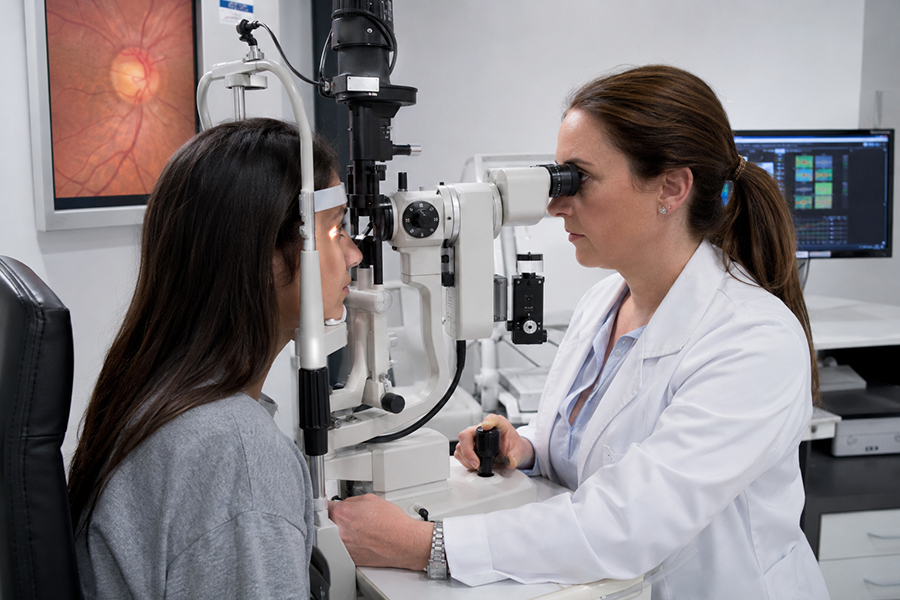
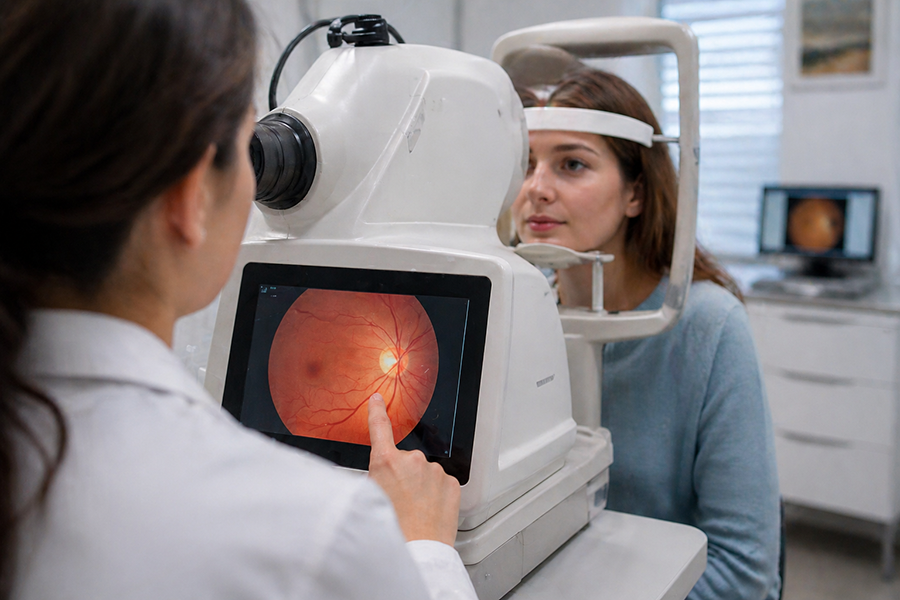
A comprehensive eye examination goes far beyond “seeing how many letters you can read”. It allows us to assess the overall health of the eye and detect problems at an early stage which, if treated in time, have a very good prognosis.
Some of the conditions that can be detected early
- Glaucoma: it silently damages the optic nerve, with no pain or obvious vision loss until advanced stages.
- Diabetic retinopathy: in people with diabetes, regular examination of the back of the eye is essential.
- Age-related macular degeneration (AMD): early detection helps slow its progression.
- Cataracts: it is advisable to monitor their development to determine the best time to treat them.
- Uncorrected refractive errors: short-sightedness, long-sightedness or astigmatism that cause eye strain without the person being aware of it.
How often should you have an eye test?
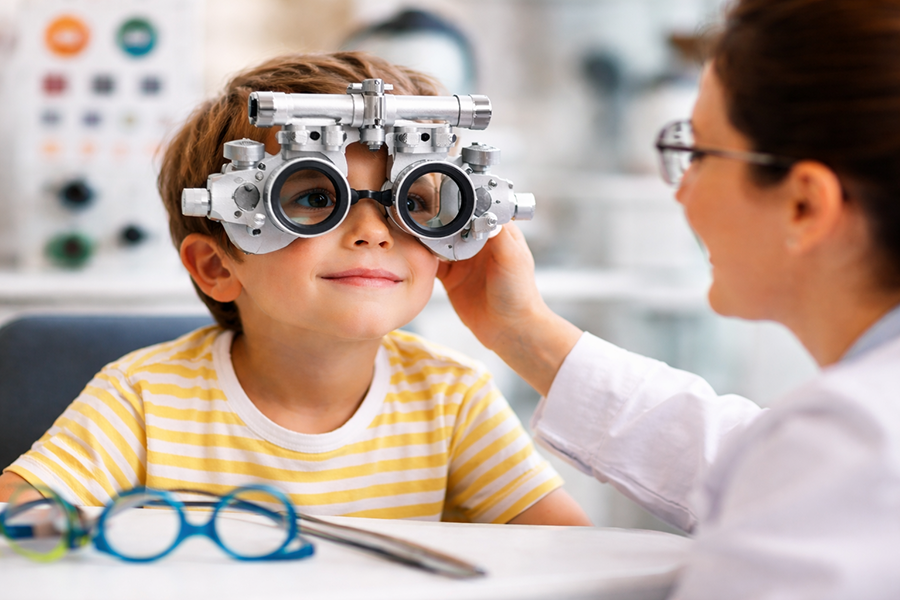
There is no one-size-fits-all rule: the frequency depends on your age, family history and the presence of risk factors such as diabetes or high blood pressure. As a general guideline, adults with no known problems should have regular eye tests, and more frequently from a certain age onwards or if there is a family history of glaucoma, AMD or other conditions. In children, check-ups are particularly important because many vision problems affect learning, and children are often unable to express that they ‘can’t see properly’. The best approach is for the ophthalmologist themselves, following the initial assessment, to advise you on how often you should return.
A check-up today could save you a problem tomorrow
Preventive ophthalmology works: most cases of severe vision loss associated with chronic diseases could be prevented or significantly reduced with early diagnosis. Having a check-up isn’t ‘spending just in case’; it’s the most effective way to look after something as precious as your eyesight.
At the INOF Institute
At the INOF Institute, we carry out comprehensive eye examinations for all ages, with a preventive and personalised approach. If it’s been a while since your last check-up — or if you’ve never had one — now is a good time.
Book your check-up at www.inof.es. Your eyes will thank you for it.
Temas relacionados