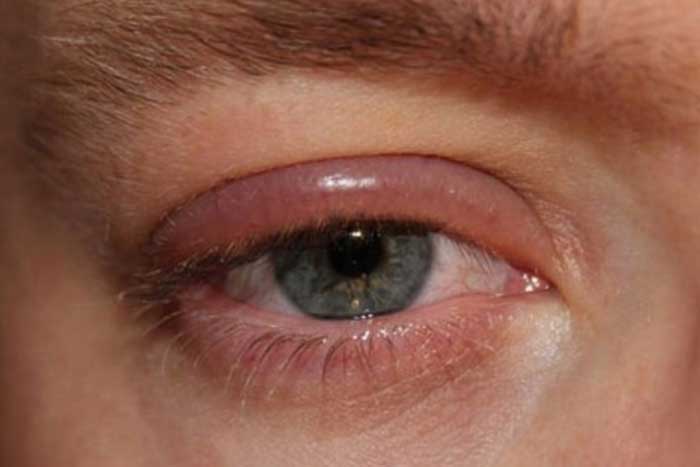
Blepharitis is inflammation or an infection of the eyelids. It can happen occasionally or be…

Benefits of visual perception exercises for adults
Visual perception exercises form part of visual therapies designed to improve the performance of the visual system. Although they are often associated with childhood, they also offer significant benefits for adults, particularly as a complement to other treatments or as a means of improving visual comfort.
At INOF, we view visual therapy as a clinical support which, when correctly prescribed, can help improve certain visual skills and reduce discomfort associated with eye strain.
What are the benefits of visual therapy for adults?
In adults, whose visual system is already fully developed, visual therapy does not aim to alter the structure of the eye, but it can help optimise its function.
Key benefits include:
- Reduced eye strain, particularly for heavy screen users
- Improved coordination between both eyes
- Greater agility in focusing
- Increased visual concentration
- Support in visual rehabilitation processes
These exercises can also be useful as a complement to ophthalmological treatments, helping to improve overall outcomes.
The importance of professional supervision
For visual therapy to be effective, it is essential that the exercises are prescribed and supervised by a professional. Not all patients require the same stimuli or derive the same benefits.
A personalised programme allows the intensity, duration and type of exercise to be tailored to each person’s specific needs.
6 visual therapy exercises for adults
Below are some common exercises that can form part of a visual routine, always under professional guidance.
1. Visual perception
- This involves identifying the colour in which a word is written, without reading the content. For example, if the word ‘yellow’ is written in green, you should say ‘green’.
- This exercise improves visual attention and processing speed.
2. Focusing exercise
- Place two objects, one close by (20–30 cm) and the other further away. Alternate your gaze between the two.
- This helps improve focusing ability and accommodative flexibility.
3. Convergence exercise
- An object such as a pencil is used, which is slowly moved towards the nose whilst maintaining a single image.
- This helps to improve eye coordination for near vision.
4. Peripheral vision
- The aim is to identify stimuli to the sides without moving the eyes or head.
- This helps to increase the functional field of vision.
5. Eye movement
- This involves following paths with the eyes (such as lines or shapes) or focusing on different points in sequence.
- It improves the precision and coordination of eye movements.
6. Circular movements
- Perform circular eye movements, first in one direction and then in the opposite direction.
- This helps to improve visual control and stability.
When should you see a specialist?
If you experience frequent eye strain, difficulty focusing, problems with eye coordination or discomfort after prolonged screen use, a full assessment is recommended.
At INOF, we analyse each case individually to determine whether visual therapy can provide real benefits as part of a comprehensive treatment plan.
Requesting a professional assessment is the first step towards improving your visual quality safely and effectively. At INOF, we look after your eyes.
Temas relacionados