
Cataracts: one of the main causes of vision loss and how to treat it
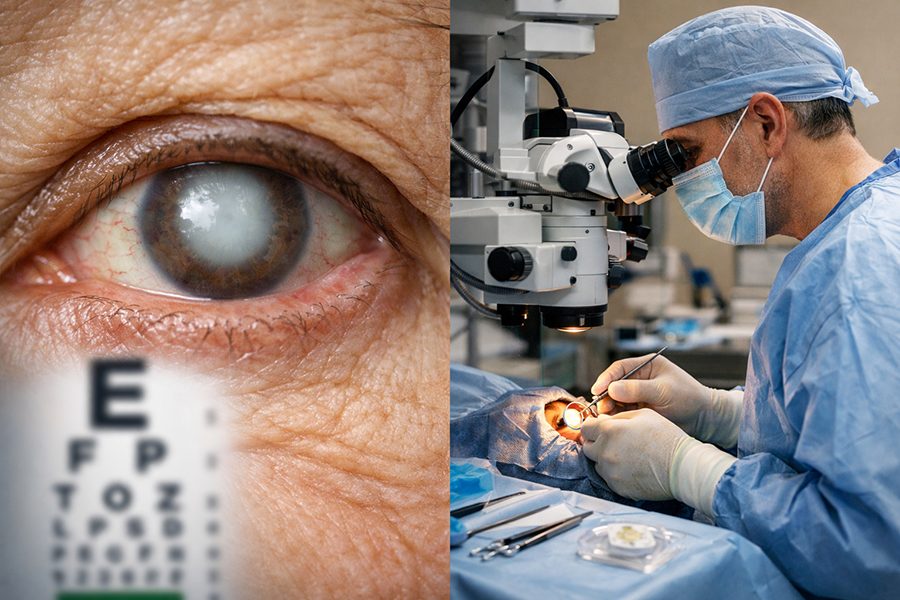
Cataracts are one of the most common eye conditions and one of the leading causes of vision loss worldwide. They occur when the crystalline lens—the eye’s natural lens responsible for focusing light—becomes cloudy, causing blurred or cloudy vision.
Although they are often associated with ageing, cataracts can also be caused by other factors such as eye trauma, diseases such as diabetes, or prolonged use of certain medications.
In the early stages, the patient may not notice any significant changes in their vision. However, as the cataract progresses, symptoms such as blurred or cloudy vision, increased sensitivity to light, difficulty seeing at night, less intense colours, halos around lights or frequent changes in eyeglass prescriptions may appear.
In the UK, its prevalence increases with age: approximately 50% of people between the ages of 65 and 74 have cataracts, a percentage that exceeds 70% in those over 70.
Unlike other eye problems, cataracts cannot be eliminated with medication or eye drops. Effective treatment consists of surgery to replace the cloudy lens with an artificial intraocular lens.
Currently, cataract surgery is one of the safest and most common ophthalmological procedures. It is performed using minimally invasive techniques and usually allows for rapid visual recovery, significantly improving the patient’s quality of life.
Early detection is key to preventing vision loss from affecting daily life. For this reason, specialists recommend regular eye examinations, especially for people over the age of 60 or those with risk factors such as diabetes or a family history of the condition.